Easy Aioli Recipe at Home
Highlighted under: Quick Meal Shortcuts
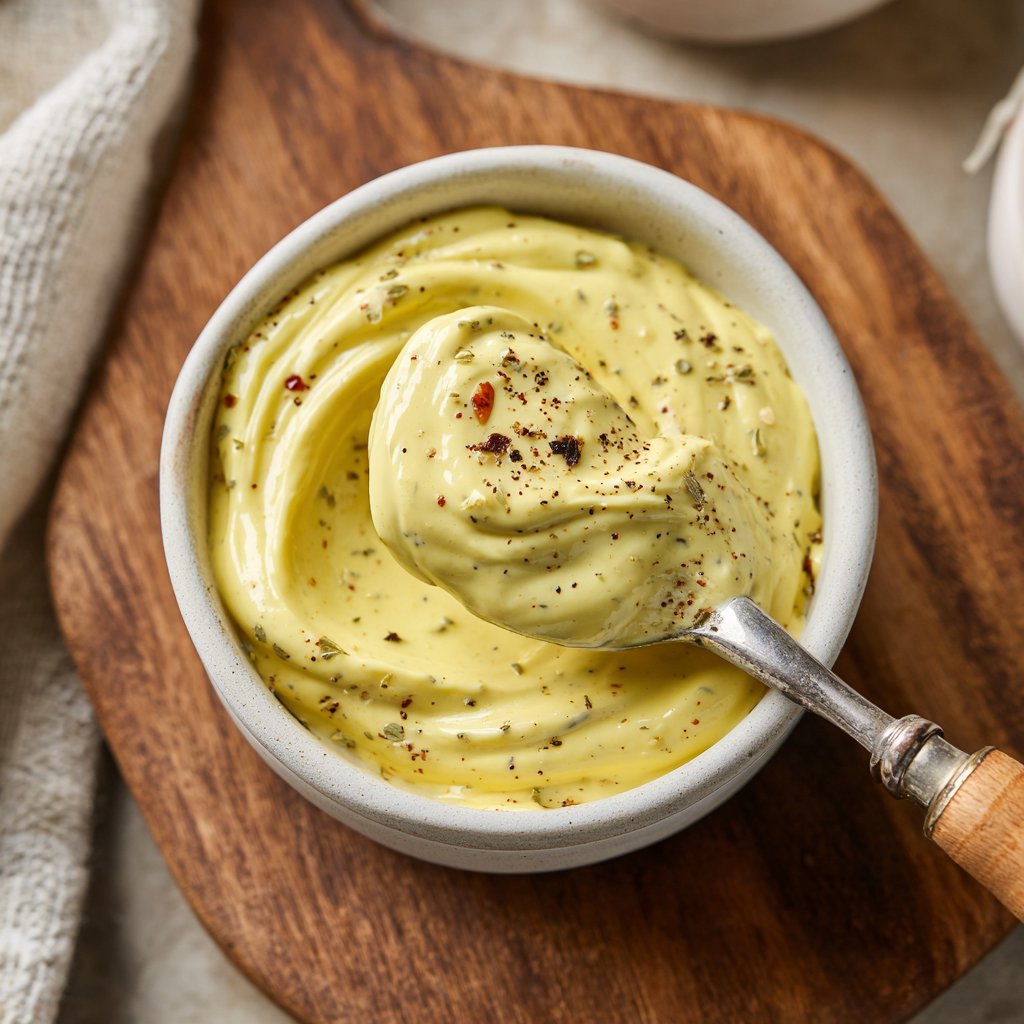
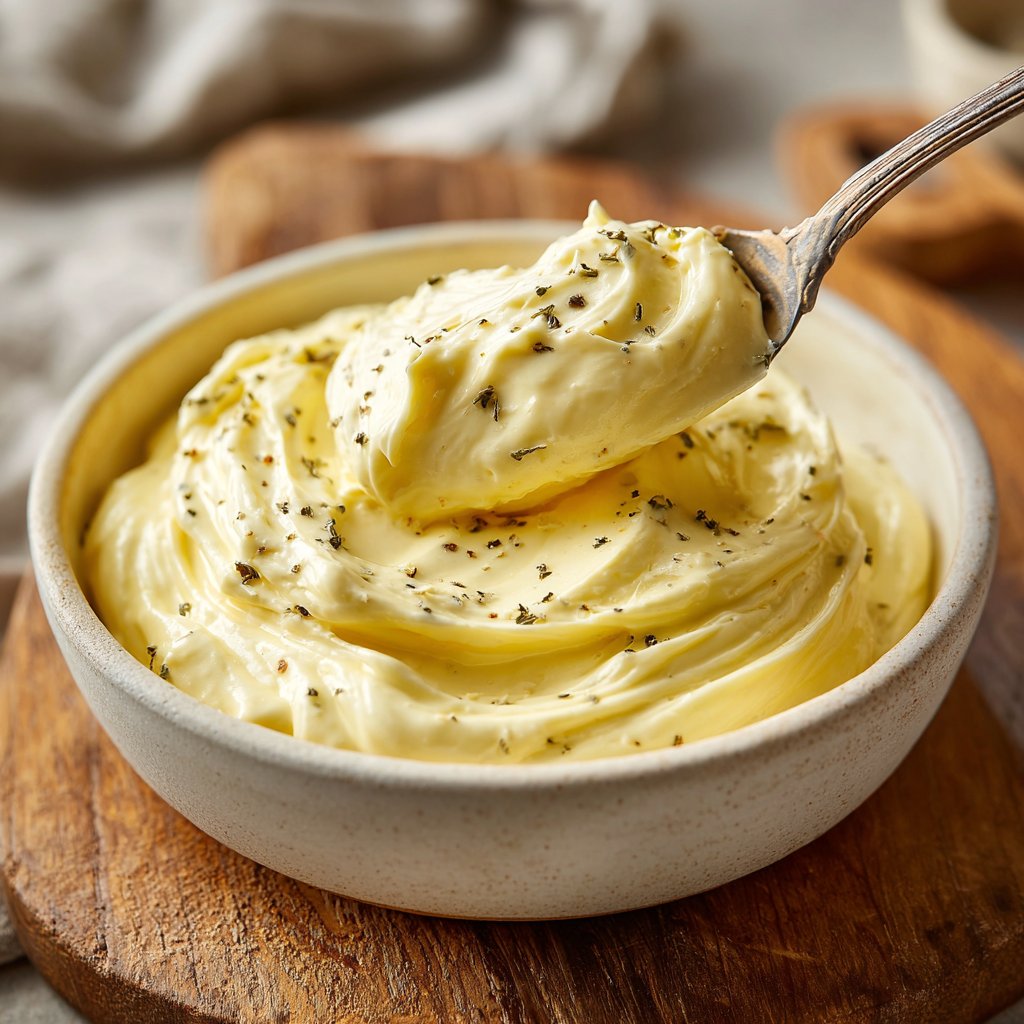
I love making aioli at home because it's both simple and incredibly satisfying. With just a few basic ingredients, I can whip up a creamy, garlicky dip that elevates any meal. Whether I’m using it as a spread for sandwiches or a dip for fresh veggies, the flavor is always a crowd-pleaser. Plus, making aioli at home gives me full control over the flavors, allowing me to adjust the garlic or lemon to suit my taste. It’s a delicious way to impress guests without much effort!
When I first attempted making aioli, I was intimidated by the thought of emulsifying oils and eggs. However, I discovered that the secret lies in adding the oil slowly while whisking continuously. It’s fascinating how those simple ingredients come together to create a luscious emulsion. I now enjoy experimenting with flavors like smoked paprika or even cilantro to change things up!
One tip I learned is to use fresh garlic and not more than one clove at a time, as it can overpower the aioli. I love the way homemade aioli complements grilled meats and vegetables, bringing a touch of gourmet flavor to my everyday meals. It’s been a game changer in my kitchen!
Why You'll Love This Aioli
- Ultra creamy and smooth texture that enhances any dish
- Fresh garlic flavor with the option to customize to your taste
- Perfectly pairs with grilled vegetables, seafood, and sandwiches
Mastering the Emulsion
Achieving the perfect emulsion is key to a successful aioli. When whisking the olive oil into the egg yolk mixture, it's crucial to start with a slow drizzle. This allows the oil to combine with the egg yolk without breaking the emulsion. If you pour too quickly, the mixture can separate, resulting in a soupy texture instead of the creamy consistency you want. If this happens, don't despair—simply start a new egg yolk in a fresh bowl and slowly add the broken aioli to it while whisking vigorously.
A common challenge is ensuring the aioli reaches the ideal thickness. If you find that your aioli is too runny, try whisking in a bit more olive oil, but slowly, as you did in the beginning. Another great trick is to use an immersion blender for a super smooth result. Just be sure to tilt the blender slightly as you pulse to incorporate air, which aids in thickening the mixture.
Enhancing Flavor Profiles
The beauty of aioli lies in its versatility; you can easily customize the garlic's intensity to match your preferences. If you're a garlic lover like me, consider roasting the garlic before adding it to the mixture. Roasting mellows the sharpness and adds a caramelized sweetness. Simply wrap a garlic bulb in foil, roast in a 400°F oven for about 30-40 minutes, and then squeeze the softened cloves into the mixture.
For a twist on traditional aioli, feel free to experiment with additional flavorings. Adding a teaspoon of smoked paprika or a tablespoon of fresh herbs like basil or parsley can elevate the taste and add beautiful color. Remember to adjust the amount of lemon juice to balance out these new flavors, as they can alter the overall taste profile.
Storage and Serving Suggestions
Aioli can be stored in the refrigerator for up to one week, making it a great make-ahead sauce for busy weeks. Just be sure to keep it in an airtight container to maintain its freshness. Before serving after a few days, give it a stir to reintroduce any liquid that may have separated. If you're planning to serve aioli at a gathering, consider preparing it a day ahead of time; the flavors often deepen and meld as it sits.
This aioli pairs beautifully with a variety of dishes. It’s not just for dipping vegetables; try it on grilled meats, as a spread on sandwiches, or drizzled over roasted potatoes. For added texture and color, serve with a sprinkle of fresh herbs or a drizzle of balsamic reduction. The creamy garlic goodness will surely enhance everything it accompanies!
Ingredients
Gather these simple ingredients to create your homemade aioli:
Aioli Ingredients
- 1 large egg yolk
- 1 tablespoon Dijon mustard
- 1 clove garlic, minced
- 1 cup olive oil
- 1 tablespoon lemon juice
- Salt to taste
Once you have everything ready, it's time to blend!
Instructions
Follow these easy steps to make your aioli:
Prepare the Mixture
In a bowl, whisk together the egg yolk, Dijon mustard, and minced garlic until well combined.
Emulsify
Slowly drizzle in the olive oil, whisking vigorously to emulsify the mixture. Start with just a drop, then gradually increase the flow.
Add Flavor
Once the aioli thickens, add the lemon juice and season with salt to taste. Adjust the consistency by adding a little water if necessary.
Serve
Transfer the aioli to a serving dish and enjoy it with your favorite dishes!
Now you have a delicious homemade aioli ready to enhance your meals!
Pro Tips
- For a twist, try adding different herbs or spices like dill, basil, or cayenne pepper to create your own unique version of aioli.
Ingredient Substitutions
If you're looking for a vegan version of aioli, you can substitute the egg yolk with silken tofu or aquafaba (the liquid from canned chickpeas). Both alternatives work well, creating a creamy texture. Blend these with the remaining ingredients as you would with the egg yolk to achieve that rich consistency.
In case you don't have Dijon mustard on hand, yellow mustard can serve as a substitute, though it will impart a slightly different flavor. Additionally, if you dislike the taste of raw garlic, try using garlic powder or garlic oil, but be sure to start with a smaller amount and adjust according to taste.
Troubleshooting Common Issues
If your aioli turns out too thin, don't give up hope! One effective method to thicken it is to gradually whisk in more olive oil, following the same slow addition technique to ensure emulsion. Another alternative is blending in a teaspoon of ground mustard, which can help stabilize the mixture.
Should you find your aioli overly salty, balancing it out is straightforward. Try adding a splash of water or a bit of extra lemon juice, which can cut through the saltiness while keeping the delightful garlic flavor intact.
Questions About Recipes
→ Can I use a blender to make aioli?
Yes! A blender or food processor works great. Just add all ingredients and blend until emulsified.
→ How long does homemade aioli last?
Homemade aioli can be stored in the refrigerator for up to one week. Always check for freshness before using.
→ Can I make aioli without raw eggs?
Absolutely! You can use pasteurized eggs or replace the yolk with mayonnaise for a no-raw-egg version.
→ What dishes pair well with aioli?
Aioli is fantastic with grilled meats, roasted vegetables, sandwiches, and as a dip for fries.
Easy Aioli Recipe at Home
What You'll Need
Aioli Ingredients
- 1 large egg yolk
- 1 tablespoon Dijon mustard
- 1 clove garlic, minced
- 1 cup olive oil
- 1 tablespoon lemon juice
- Salt to taste
How-To Steps
In a bowl, whisk together the egg yolk, Dijon mustard, and minced garlic until well combined.
Slowly drizzle in the olive oil, whisking vigorously to emulsify the mixture. Start with just a drop, then gradually increase the flow.
Once the aioli thickens, add the lemon juice and season with salt to taste. Adjust the consistency by adding a little water if necessary.
Transfer the aioli to a serving dish and enjoy it with your favorite dishes!
Extra Tips
- For a twist, try adding different herbs or spices like dill, basil, or cayenne pepper to create your own unique version of aioli.
Nutritional Breakdown (Per Serving)
- Calories: 220 kcal
- Total Fat: 24g
- Saturated Fat: 3g
- Cholesterol: 80mg
- Sodium: 120mg
- Total Carbohydrates: 2g
- Dietary Fiber: 0g
- Sugars: 0g
- Protein: 1g